Why Community Matters in Doula Work
Doula work is very interpersonal, requires great communication skills and is built on the intimate relationships we form with our clients.
But at the end of the day, when the shift is over or the baby is here safely, who do doulas turn to to share their wins and shed their tears?
Doulas need community. And it is often something that I find severely lacking in a lot of doula communities.
Maybe we feel overworked and under-rested. Or community feels more like competition. Or maybe the isolating nature of our work simply doesn’t give us enough opportunity to get to know our colleagues.
Whatever the reason, doulas absolutely need community.
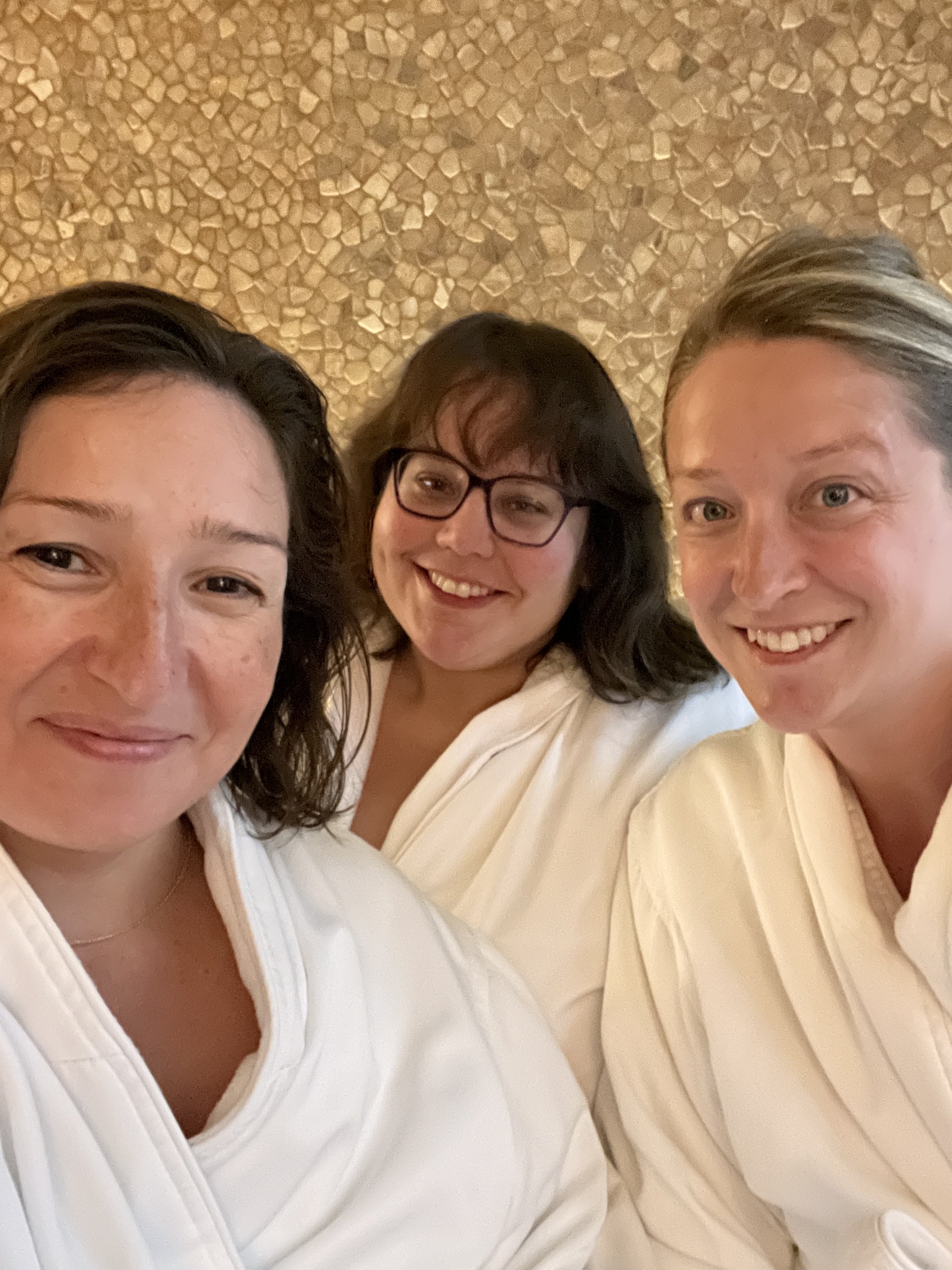
Spa day at the ProDoula Trainer’s Summit
Community Makes Better Doulas
Some of the most valuable things I've learned as a doula haven't come from a training manual or a certification.
They've come from other doulas.
They've come from conversations after births. Asking someone, "Have you ever seen this before?" Hearing how another doula approaches a situation differently than I do. Learning a comfort measure hack, asking for perspective, or simply having someone remind me that there may be another way to look at something.
Community has also taught me that there isn't one "right" way to be a doula.
We each bring our own personalities, experiences, strengths, and approaches into this work. Seeing other doulas support families differently has helped me expand my own abilities and become more adaptable in the way I support clients.
Leaning on more experienced doulas can be especially valuable when you're just starting out. Training gives us a foundation, but there are parts of this work that are difficult to understand until you're actually doing it.
Having people you trust enough to ask questions, including the ones you think you should already know the answer to, makes you a better doula.
Community Helps Doulas Avoid Burnout
Doula work asks a lot of us.
There are long births, missed nights of sleep, unpredictable schedules, and emotionally intense experiences. We hold space for families through tremendous joy, fear, disappointment, uncertainty, grief, and enormous transitions.
Trying to carry all of that alone can become exhausting.
Burnout doesn't necessarily happen because someone isn't suited for doula work. Sometimes it happens because we've created an expectation that being good at this work means being able to endlessly give without needing support ourselves.
Community gives us somewhere to put some of that weight down.
Having someone to call after a difficult birth.
A backup doula to pass the baton to.
Someone to ask for advice.
Sometimes it's getting perspective from someone who understands the work. And sometimes it's having friends who also share your weird obsession with placentas.
Those relationships make this work feel less lonely.
And I believe they can make it more sustainable.
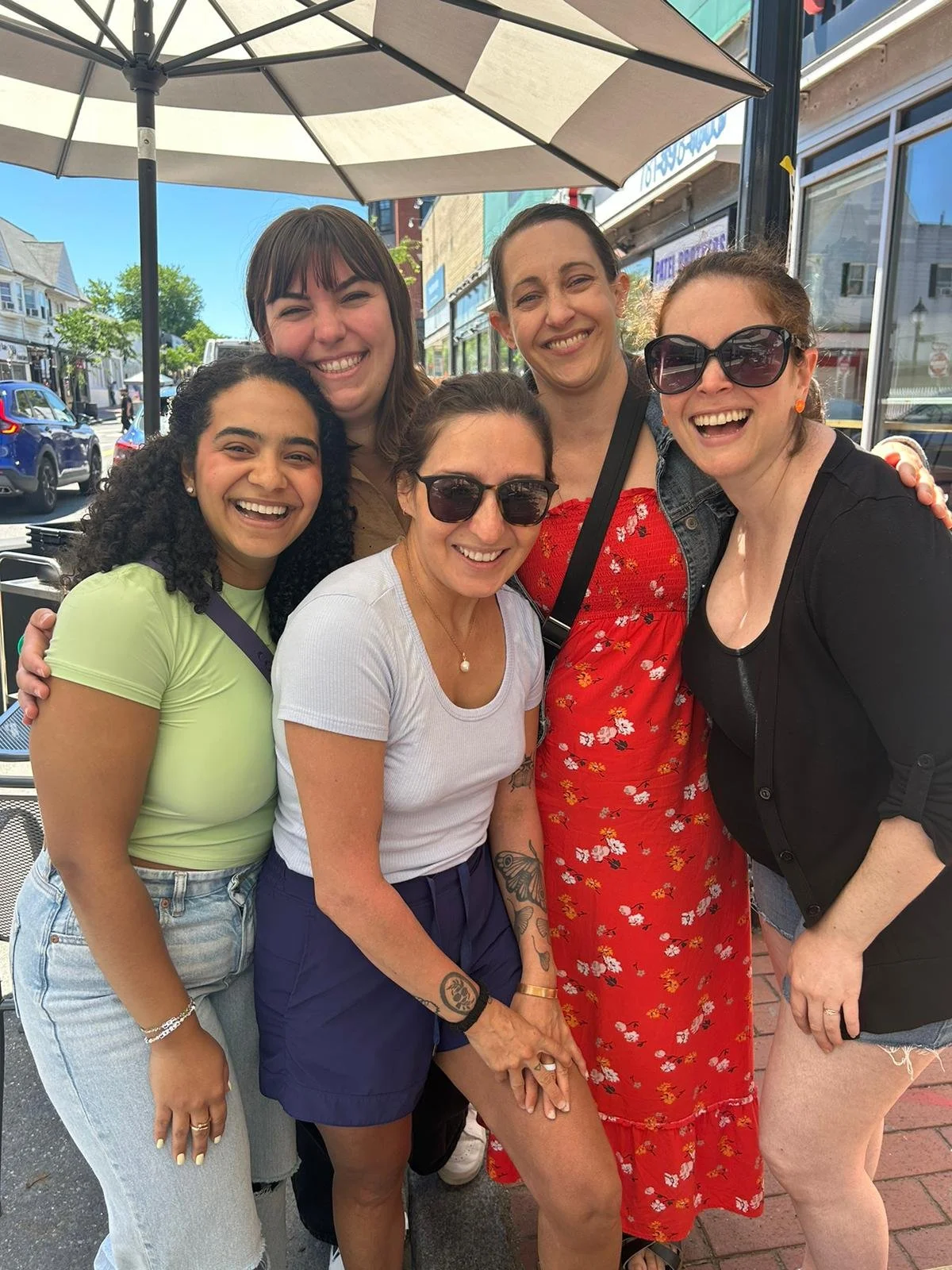
Doula Coffee Hour!
Collaboration Over Competition
It can be easy to fall into a scarcity mindset, especially when you're trying to build a doula business.
Another doula gets an inquiry you wanted. Someone else's calendar is full when yours isn't. You watch people market themselves online and wonder whether there are enough clients to go around.
But other doulas don't have to be your competition.
There is room for different personalities, philosophies, specialties, schedules, price points, and styles of support in this profession. Not every doula is the right fit for every family, and that's a good thing!
When we know and trust other doulas, we can refer families to one another. We can provide reliable backup. We can share resources and knowledge. We can learn from one another instead of constantly trying to prove ourselves against one another.
And ultimately, families benefit from that collaboration too.
A stronger community of doulas creates a stronger network of support around the people we're all here to serve.
You Don't Have to Prove You Can Do This Alone
If you're a new doula, one of the best things you can do for yourself is find your people.
Seek mentorship.
Build relationships with other doulas.
Ask questions.
Offer support when you can, and learn how to receive it when you need it.
You don't need to know everything before you begin, and you don't need to prove that you can carry every part of this work by yourself.
In fact, I strongly advise against it!
Being a strong doula isn't about doing everything alone. It's about knowing when to lean on the people around you, when to ask questions, when to offer support, and when to accept it yourself.
At My Doula Trainer, I believe doula education should be about more than information. It should also be about connection and sustainability.
Because the relationships you build in this work may become just as valuable as the skills you learn.
