How to Stay Emotionally and Mentally Resilient as a Doula
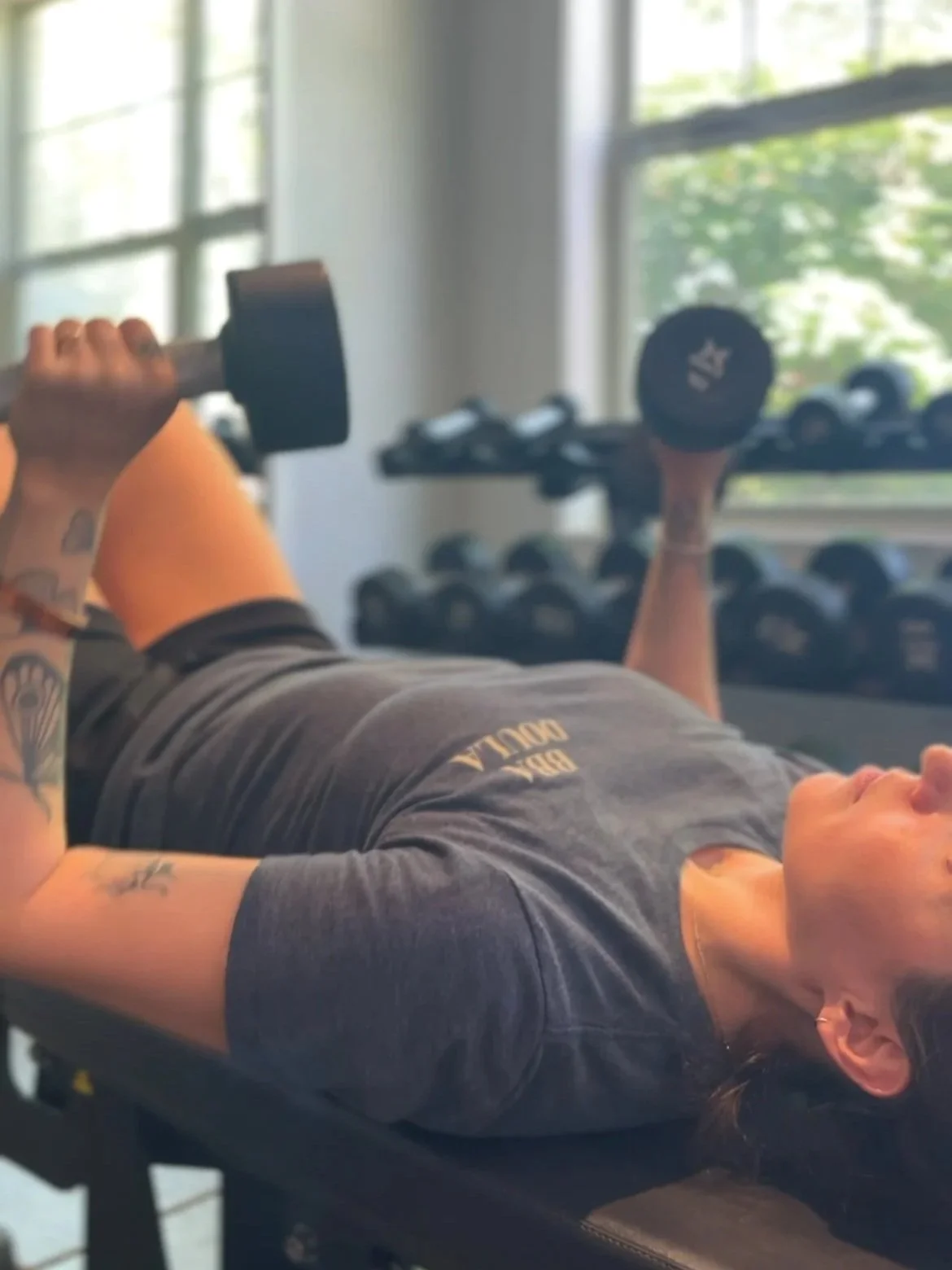
Doula push day
This Work has Depth
One of the most surprising things about becoming a doula is not just the physical demand of the work, but the emotional weight that comes with it.
It took me time to realize that the exhaustion I felt after supporting births wasn’t unusual. It wasn’t limited to long, physically intense labors. Even short or straightforward births could leave me feeling drained, like my cup had been completely emptied.
As a labor doula, I am a vessel.
I hold space for the emotions and experiences of others. I create space for people to feel, to speak, and to move through one of the most transformative moments of their lives. To do that well, I have to set aside my own worries, my own distractions, my own life.
And that is real work.
Resilience in this field doesn’t mean pushing through or ignoring your needs.
It means creating sustainability.
Why Resilience Matters in Birth Work
Emotional steadiness is one of the most important tools a doula brings into a birth space.
The energy you carry into the room matters. It can influence how a birthing person experiences their labor; whether they feel supported, grounded, and safe, or overwhelmed and uncertain.
As doulas, we are often present for:
deep joy
intense fear
unexpected changes
and sometimes, devastating outcomes
Your nervous system plays a powerful role in the room.
It can anchor someone who feels out of control.
It can bring calm into chaos.
It can shift the entire tone of a birth space.
There is also an important distinction to understand:
Being affected by a birth is human.
Being consumed by a birth is a signal.
There have been times in my work where I knew a birth was staying with me in a way that impacted my ability to show up for others. That’s when I knew I needed support, whether that meant stepping back, speaking with my therapist, or leaning on my doula community.
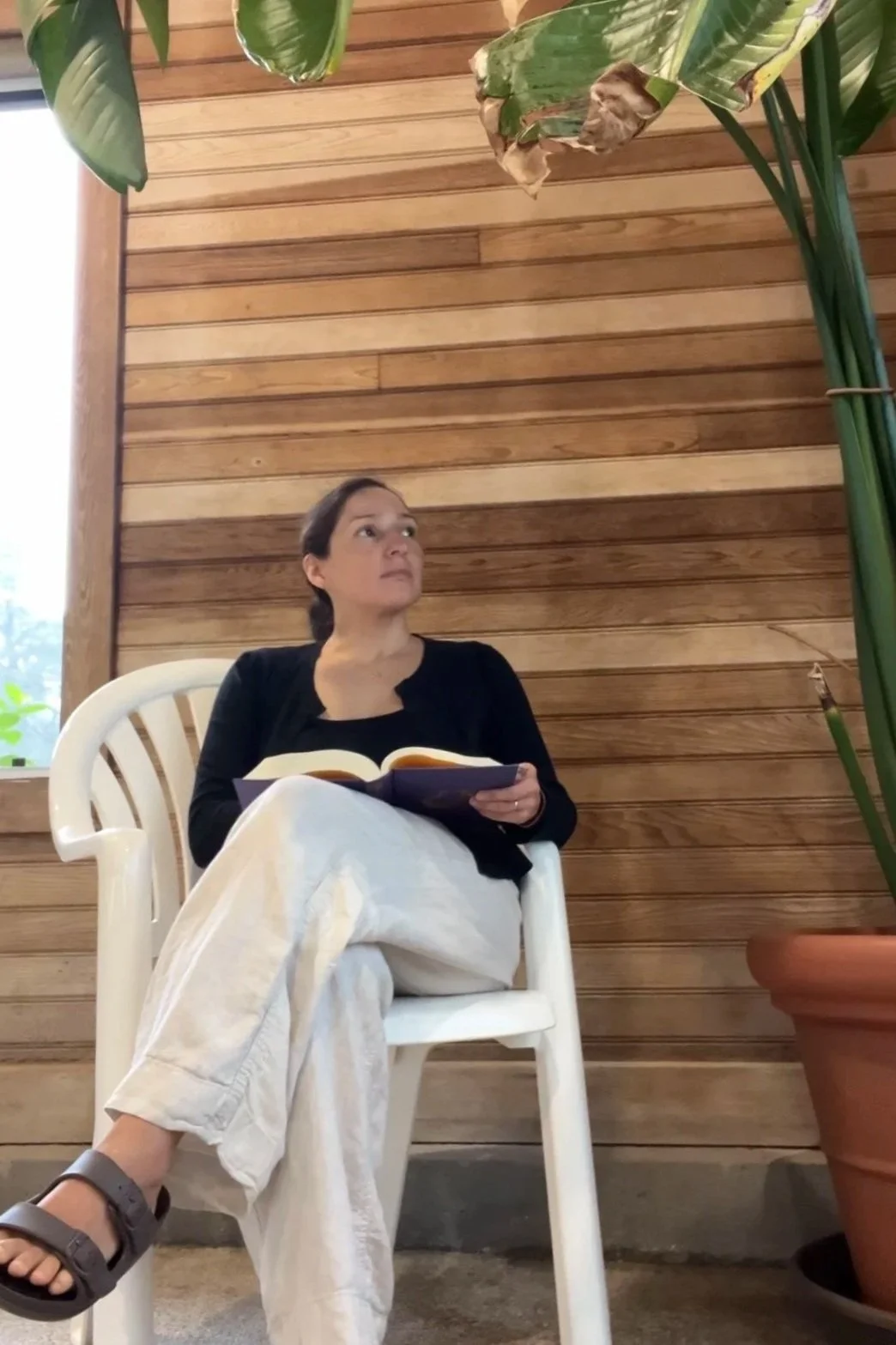
Taking time for myself, nervous system reset
Grounding and Nervous System Care for Doulas
Before entering a birth space, I make it a priority to ground myself.
I quiet my mind.
I slow my body.
I create space for what I am about to witness.
Music is one of my go-to tools for this.
During labor support, when adrenaline or anxiety begins to rise, I return to simple, reliable practices:
breathwork
tapping (EFT)
progressive muscle relaxation
But the most consistent tool I always have is my breath.
Whether I’m sitting in my car after a difficult birth or standing at a bedside supporting a client, my breath is something I can return to again and again.
If you are a new doula, start building these practices now.
Use them in everyday moments:
while driving
waiting in line
during hard conversations
So that when you need them in high-stakes situations, they feel familiar.
They feel automatic.
Processing Birth Experiences in a Healthy Way
Every birth - no matter the outcome - requires processing.
Doula work is emotional. It deserves space to be digested.
After a birth, I prioritize rest first. Sleep matters.
If the birth was particularly intense, I make it a point to talk through the experience with someone who understands the depth of this work; another doula, a birthworker, or someone close to me.
I also have a therapist.
There are moments in this work that require deeper processing. Carrying unprocessed experiences into future births can impact how you show up for your clients.
Processing allows you to:
release what isn’t yours to carry
integrate what you’ve learned
return to your next client with clarity and presence
This is different from venting.
Venting releases emotion.
Processing creates understanding and integration.
Both have a place, but reflection is what supports long-term resilience.
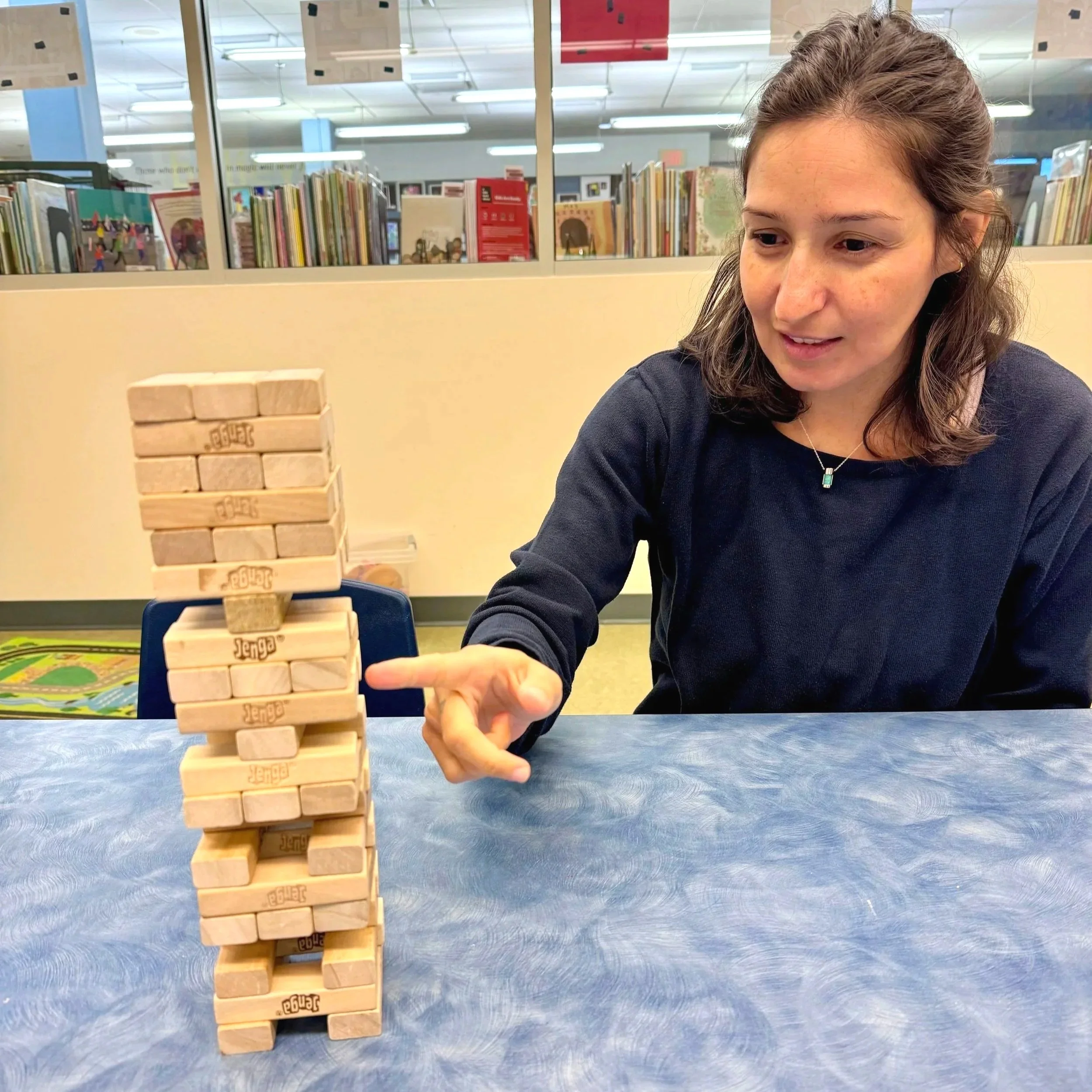
Playing Jenga with my family at the library
Boundaries That Protect Your Energy
Burnout is one of the biggest challenges in doula work.
And boundaries are one of the most important tools we have to prevent it.
For me, this meant creating structure around:
work hours
time off
and family time
I set clear working hours (9–6), scheduled calls earlier in the day, and planned time off in advance, even around holidays and my daughter’s birthday.
Of course, birth is unpredictable. There will always be exceptions.
But having boundaries gave me a sense of peace and sustainability.
Boundaries also extend beyond scheduling.
They can look like:
limiting draining professional relationships
asking for support from my family after a birth
stepping away from work communication during personal time
I learned this the hard way.
When my daughter shared how it felt to see me constantly on my work phone during dinner, I knew something had to change. That moment helped me redefine what balance looked like.
The Role of Community for Doulas
You are not meant to do this work alone!
Some of the most meaningful relationships in my life have come from the birth community.
These are people who:
understand the weight of this work
celebrate your wins
support you through difficult births
and hold space for you
Community often begins in training.
I’ve seen learners exchange contact information and stay connected long after their training ends. You’ll also meet other doulas in hospitals, through social media, and in your local community.
If you’re new:
Reach out. Start conversations. Build relationships.
Everyone in this field has experienced isolation at some point.
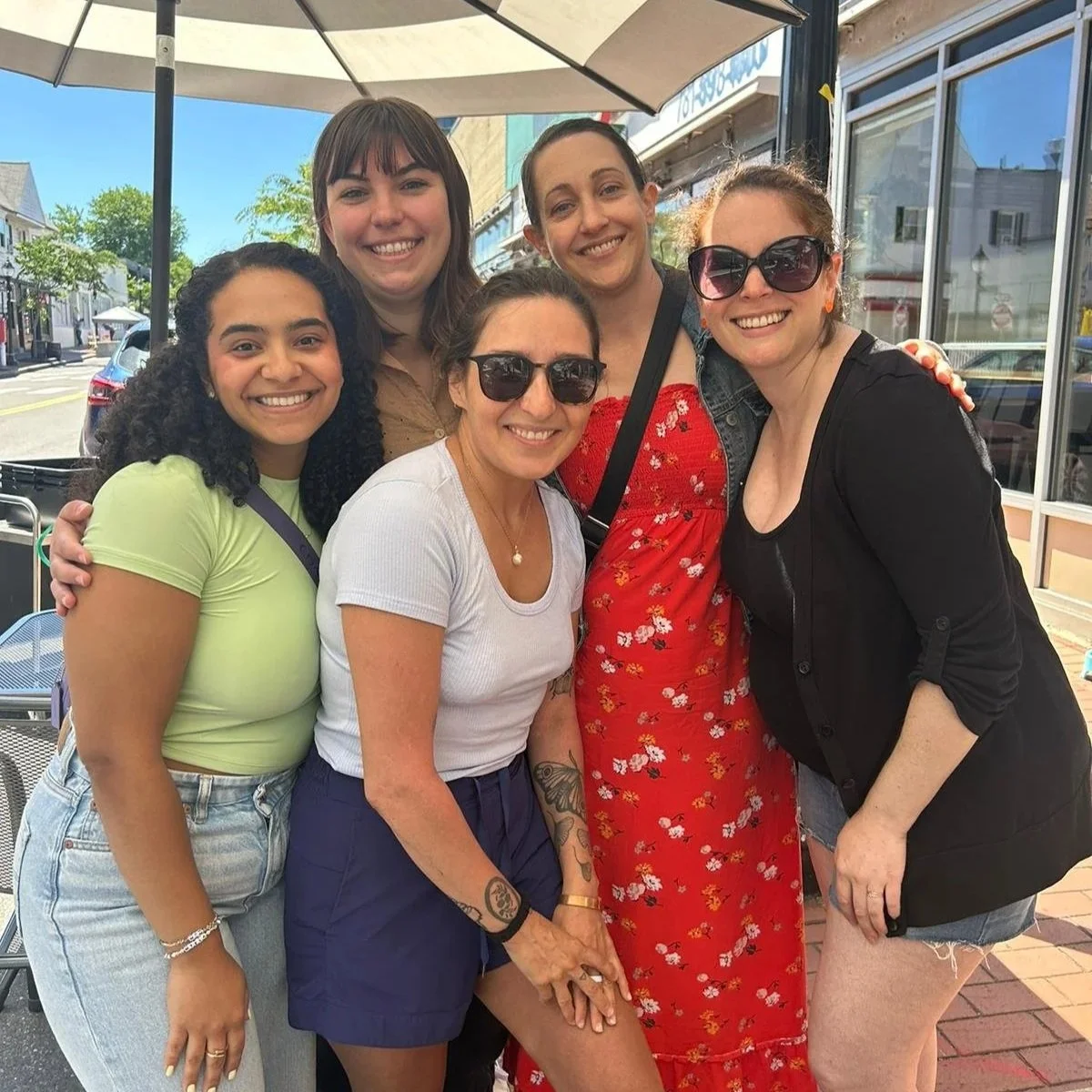
Doulas uplifting doulas
When to Seek Outside Support
There are times when a birth impacts you more deeply than expected.
You might notice:
it keeps replaying in your mind
it affects how you show up for other clients
it feels difficult to move forward
This is when additional support matters.
Seeking help, whether from a therapist, mentor, or trusted peer, is not a weakness.
It is a responsibility.
As doulas, we are asked to show up fully for others. That requires us to also care for ourselves with intentionality.
Closing Thoughts for Doulas
If you are struggling right now, I want you to hear this:
You are not alone.
You are not doing it wrong.
You are doing meaningful work.
This work is not meant to be easy. It is meant to be impactful!
And that takes depth and emotionality.
You are allowed to need rest.
You are allowed to need support.
You are allowed to step back and recalibrate.
You do not have to carry everything you witness.
And you do not have to do this alone.
